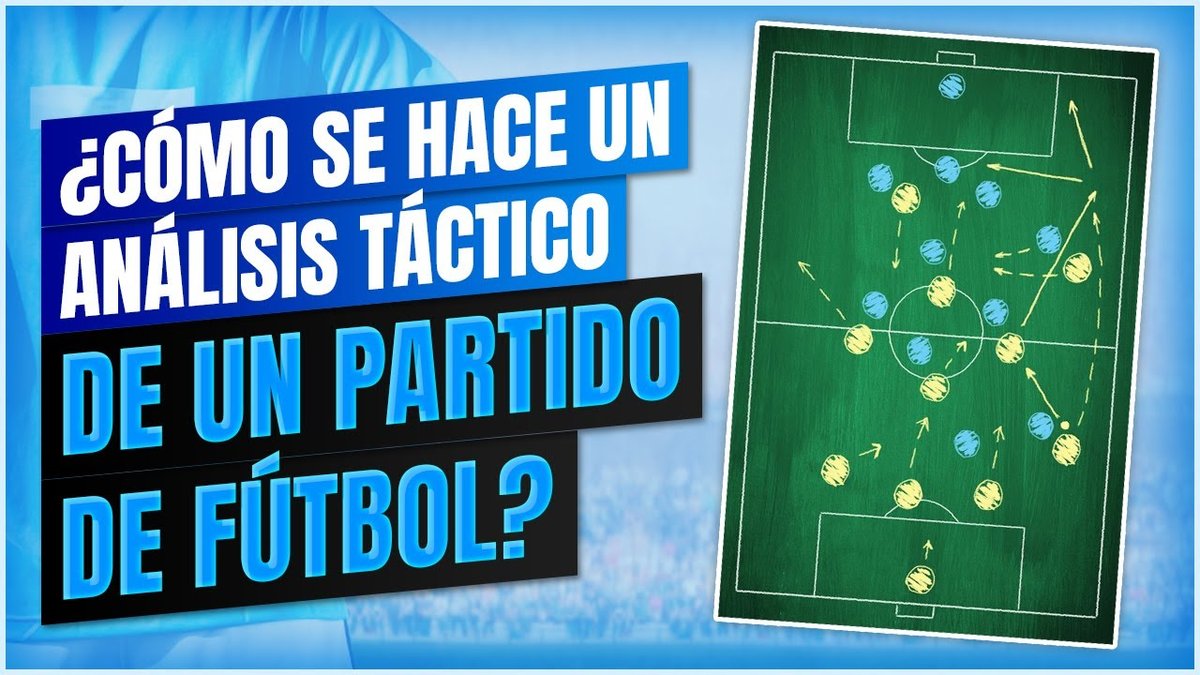
In the dynamic world of soccer, understanding how teams orchestrate their play is akin to deciphering a complex code. This isn't just about individual brilliance; it's about the collective strategy, the intricate dance of players, and the overarching game plan. This is the realm of Análisis Táctico y Formaciones (Tactical Analysis and Formations), a discipline that has utterly transformed how the beautiful game is coached, played, and even watched. Forget simply cheering for goals; true appreciation lies in grasping the strategic chess match unfolding on the pitch.
At a Glance: Decoding Soccer Strategy
- Tactical Analysis Defined: It's the systematic study of a soccer team's strategies, formations, and player movements – both their own and their opponents'.
- Formations as Blueprints: Systems like 4-4-2, 4-3-3, or 3-5-2 are starting points, dictating initial player positioning and team shape.
- Beyond the Numbers: Formations are fluid, adapting through the four phases of play: attacking, defending, and the transitions between them.
- Key Tactical Elements: Includes player roles, pressing strategies (high, mid, low blocks), build-up play, passing patterns, and set-piece routines.
- Tech-Driven Evolution: Modern analysis leverages video software, GPS trackers, and data platforms for real-time insights and pre-match planning.
- Masterminds at Work: Coaches like Guardiola, Mourinho, and Klopp exemplify distinct tactical philosophies that have shaped modern soccer.
- Challenges & Future: Data overload, human intuition, and resistance to change are hurdles, but AI and machine learning promise even deeper insights.
The Strategic Blueprint: What Tactical Analysis and Formations Truly Mean
At its core, tactical analysis is the process of breaking down a soccer match into its fundamental strategic elements. It's an invaluable tool, combining cutting-edge technology with deep game knowledge, designed to give teams a competitive edge. You're not just watching 22 players chase a ball; you're observing a meticulously planned system in action, adapting to circumstances.
Formations are the starting point for this analysis. Think of them as the initial blueprint, the numerical representation of where players are broadly positioned on the field at kick-off. A 4-4-2, for instance, implies four defenders, four midfielders, and two forwards. But these numbers are just the beginning; the true magic happens when these players move, interact, and adapt within a chosen system.
Understanding these concepts allows coaches to exploit rival weaknesses, fortify their own strategies, anticipate opponent movements, and even refine their players' physical and mental preparation. For fans, it's about moving beyond superficial observations to appreciate the strategic depth that defines elite soccer.
Formations: More Than Just Numbers on a Screen
You’ve probably heard formation names thrown around: 4-3-3, 4-2-3-1, 3-5-2. While these numbers offer a snapshot of a team's initial setup, they represent a dynamic concept, not a rigid structure. A formation dictates initial positioning but morphs constantly depending on whether a team is attacking, defending, or transitioning between the two.
Popular Formations and Their Philosophies:
- 4-4-2 (Classic Balance): Often associated with defensive solidity and width. It provides a solid midfield block and two forwards who can press or hold up play. Historically, many successful teams have relied on this balance.
- 4-3-3 (Attacking Prowess): Favored by teams looking to dominate possession and attack with width. The three forwards aim to stretch the opposition, while the three midfielders provide control and support. Barcelona under Pep Guardiola frequently deployed this, emphasizing positional play.
- 4-2-3-1 (Versatility and Central Overload): A highly flexible formation that can switch between defensive solidity and attacking creativity. The two holding midfielders provide protection, while the attacking midfielder (the '10') links play between midfield and a lone striker, often supported by two wide attackers.
- 3-5-2 (Wing-Back Emphasis): Utilizes three central defenders, allowing wing-backs to push high and provide width in attack. It creates numerical superiority in central midfield but can be vulnerable on the flanks if the wing-backs don't track back. Antonio Conte has often employed this with great success.
- 3-4-3 (Hyper-Attacking): Similar to the 3-5-2 but pushes an additional attacker forward, often sacrificing a central midfielder. This setup aims to overwhelm defenses with numbers in the final third, demanding exceptional fitness from the wide players.
It's crucial to remember that these are starting points. A team playing a 4-3-3 in attack might shift to a 4-5-1 when defending, illustrating the fluidity inherent in modern tactics. The art of tactical analysis lies in observing these shifts and understanding their purpose.
The Four Phases of Play: Where Tactics Live and Breathe
A soccer match isn't a continuous blur; it's a series of distinct phases, each demanding a different tactical approach. Coaches break the game down into these segments to ensure players understand their roles and responsibilities in every scenario.
- Attacking Phase (Possession): When your team has the ball and is trying to score. This involves build-up play, creating chances, and finishing. Tactics here focus on passing patterns, movement off the ball, numerical superiority in key areas, and exploiting space.
- Defensive Phase (No Possession): When the opponent has the ball, and your team is trying to win it back or prevent them from scoring. Tactics include pressing systems (high, mid, low blocks), defensive shape, marking, and denying space.
- Transition to Attack (Winning the Ball): The moment your team regains possession. This is often the most dangerous phase for an opponent, as defenses can be disorganized. Tactics focus on quick, incisive counter-attacks, rapid vertical passes, and exploiting open spaces.
- Transition to Defense (Losing the Ball): The instant your team loses possession. This is a critical moment to prevent a counter-attack. Tactics involve immediate pressing (like Jürgen Klopp's "Gegenpressing"), quickly reorganizing defensive shape, and delaying the opponent's attack.
Each player position has specific roles within these phases. Goalkeepers aren't just shot-stoppers; they initiate attacks with accurate distribution. Forwards aren't just goal scorers; they often lead the press, forcing defenders into mistakes.
Strategic Pressing and Defensive Structures: The Art of Regaining Control
How a team defends is as crucial as how it attacks. Defensive strategies aren't just about sitting deep; they're intricate systems designed to regain possession or absorb pressure intelligently.
- High Press (Gegenpressing): Popularized by Jürgen Klopp, this involves immediate, high-intensity pressing of the opponent as soon as possession is lost, often in their half. The goal is to win the ball back quickly, high up the pitch, and create scoring opportunities before the opponent can reorganize. It demands incredible fitness and coordination.
- Mid-Block: A more balanced approach where a team allows the opponent to bring the ball into the midfield third but then compresses space and presses aggressively. It aims to force errors in less dangerous areas of the pitch, conserving energy compared to a high press.
- Low Block: A deeply organized defensive strategy where the team drops into its own defensive third, creating a compact shape near its goal. The goal is to deny space in the penalty area, force opponents wide, and clear crosses. José Mourinho's teams are often masters of defensive solidity using low blocks, waiting for counter-attacking opportunities.
These defensive strategies often define a team's identity. A team that consistently plays a high press sends a clear message about its aggressive intent, while one that relies on a low block prioritizes defensive stability and opportunistic attacks.
Crafting Chances: Build-Up Play and Set-Piece Mastery
Offensive tactics go beyond simply kicking the ball forward. They involve intricate build-up play, clever passing patterns, and pre-planned routines for dead-ball situations.
Build-Up Play and Passing Patterns:
- Short Passing (Tiki-Taka): Emphasizes quick, accurate passes, often in tight spaces, to retain possession and slowly break down an opponent's defense. This style aims for control, patience, and numerical superiority in possession.
- Direct Play (Long Ball): Focuses on quickly moving the ball forward, often with longer passes, to bypass the midfield and get attackers into dangerous positions as rapidly as possible. This can be effective against high-pressing teams or to exploit defensive vulnerabilities.
- Wide Play: Utilizes the full width of the pitch, often through wingers or overlapping full-backs, to stretch the opponent's defense and create space in central areas for crosses, cut-backs, or intricate passing moves.
The choice of build-up play often depends on the players available and the opponent's weaknesses. A team with quick wingers and a strong target man might favor wide and direct play, while one with technically gifted midfielders will lean towards short passing.
Set-Piece Tactics: Pre-Planned Brilliance:
Corners, free-kicks, and throw-ins are often overlooked but represent crucial scoring opportunities. Elite teams have a playbook of pre-planned routines for each, designed to exploit specific defensive frailties.
You might see elaborate moves like:
- Near-post flick-ons from corners.
- Short free-kicks to pull defenders out of position.
- Decoy runs to create space for a target player.
- Long throw-ins into the box, treated like mini-corners.
These moments are where meticulous preparation truly pays off. A well-executed set-piece routine can be the difference between a draw and a win, or even significantly influence the outcome of crucial matches, such as when observing AC Milan vs Inter Milan Lineups and how each team leverages dead-ball situations to gain an edge.
The Tech Advantage: How Modern Tools Amplify Tactical Analysis
The days of simply watching a game with a notepad are long gone. Modern tactical analysis is heavily reliant on technology, turning subjective observations into actionable, data-driven insights.
- Video Analysis Software (Hudl, Wyscout): These platforms allow analysts to tag, categorize, and cut video clips of every action in a match. You can quickly isolate all of a player's passes, all of a team's defensive transitions, or all of the opponent's set-piece routines. This is invaluable for identifying patterns and creating tailored training sessions.
- GPS and Player Tracking Systems (Catapult): Wearable GPS trackers provide granular data on player movement: distance covered, sprint speeds, heat maps, and even positioning relative to teammates. This helps assess physical performance and analyze tactical adherence, showing if players are maintaining their defensive shape or making required runs.
- Data Analytics Platforms (Opta, StatsBomb): These services collect a vast array of statistical data – everything from passing accuracy and duels won to expected goals (xG) and progressive passes. Analysts use this data to identify trends, evaluate player performance beyond the eye test, and highlight areas for improvement.
- Tactical Boards and Software (TacticalPad): For visualizing strategies, coaches use digital tactical boards. These allow them to animate player movements, draw formations, and explain complex tactical concepts in an engaging way during team meetings and training sessions.
This technological arsenal enables real-time analysis during matches, allowing coaches to make immediate tactical adjustments based on live data and video feedback. Before games, analysts pour over recordings of their own team and opponents to develop detailed game plans, identify patterns, and adapt training sessions.
Tactical Masterminds in Action: Case Studies
The world's most successful coaches are often those with a clear, impactful tactical philosophy. Their approaches offer brilliant examples of how strategies translate into results.
- Pep Guardiola (Positional Play & Numerical Superiority): Guardiola's philosophy, often called "Juego de Posición," emphasizes maintaining specific positional structures on the field to create passing lanes and numerical advantages in various zones. His teams prioritize ball retention, patient build-up, and switching play to disorganize opponents. The goal is to control the game through possession, dictating where and when the ball moves, thus creating space for attacking players.
- José Mourinho (Defensive Solidity & Counter-Attacking): Mourinho built his reputation on creating defensively impregnable teams. His tactical hallmark is an organized, compact low block, designed to frustrate opponents by denying space. Once possession is regained, his teams transition rapidly into incisive counter-attacks, often leveraging pace and direct passing to catch opponents out of position. It's a pragmatic, results-driven approach that prioritizes defensive security.
- Jürgen Klopp (Gegenpressing & Heavy Metal Football): Klopp's "Gegenpressing" strategy is perhaps his most iconic contribution. It's an immediate, high-intensity press applied the moment possession is lost. The aim is to win the ball back as quickly as possible, high up the pitch, preventing the opponent from launching their own attack. This creates chaotic, fast-paced transitions that are difficult for opponents to defend against, earning it the nickname "heavy metal football."
These examples demonstrate that there isn't one "right" way to play. Success stems from a coherent tactical vision, effectively communicated, and executed by a disciplined team.
The Human Element and Limitations of Pure Data
While technology has revolutionized tactical analysis, it's not without its challenges and limitations. The human element remains vital.
- Data Overload and Interpretation: The sheer volume of data generated can be overwhelming. Filtering relevant information and interpreting it accurately requires advanced analytical skills and a deep understanding of the game. Raw data without context can be misleading.
- Dependence vs. Intuition: Over-reliance on technology can potentially diminish a player's intuition and creativity. Soccer is an art as much as a science, and spontaneous moments of genius can't always be quantified or predicted by algorithms.
- Real-time Adaptability: Making complex tactical adjustments in real-time during a chaotic match is incredibly challenging. It demands fluid communication between analysts, coaches, and players, often under immense pressure.
- Resistance to Change: Some coaches or players may be resistant to new analytical methods or the constant scrutiny that data provides. Overcoming this resistance and fostering a culture of continuous learning is crucial.
- Evolving Tactics: Soccer tactics are constantly evolving. What works today might be countered tomorrow, requiring analysts and coaches to be perpetually learning and adapting.
The best tactical setups integrate data-driven insights with the intangible qualities of human skill, emotion, and adaptability. It's about finding the right balance.
The Future of the Pitch: AI, Machine Learning, and Beyond
The horizon for tactical analysis is incredibly promising, with emerging technologies like Artificial Intelligence (AI) and Machine Learning (ML) poised to take it to the next level.
- Deeper, Personalized Analysis: AI can process vast amounts of data far more quickly and effectively than humans. It will enable more granular, personalized analysis, identifying subtle patterns in individual player performance and predicting behavior based on historical data. Imagine AI suggesting optimal pressing triggers for a specific opponent or recommending individualized training drills based on a player's unique movement patterns.
- Automated Insights: Machine learning algorithms can learn to identify tactical patterns automatically. This will free up human analysts from the tedious task of tagging and categorizing, allowing them to focus on higher-level interpretation and strategic planning. They'll transition from data gatherers to strategic advisors.
- Enhanced Prediction: AI models will become increasingly sophisticated at predicting opponent movements, identifying potential vulnerabilities, and even simulating game scenarios. This could lead to hyper-specific game plans, anticipating opponent shifts before they even happen.
- Integrated Training: Tactical analysis will become even more seamlessly integrated into daily training. Virtual reality (VR) and augmented reality (AR) could allow players to walk through tactical scenarios in immersive environments, improving their decision-making and spatial awareness without the physical toll of a full practice.
The ultimate goal is not to replace human coaches or players but to empower them with unparalleled insights, making the game even more strategically sophisticated and enthralling.
Elevating Your Game: How to Enhance Your Tactical Understanding
Whether you're an aspiring coach, a dedicated player, or a passionate fan, deepening your understanding of tactical analysis and formations will fundamentally change how you experience soccer.
- Watch with Purpose: Don't just follow the ball. Observe team shapes when attacking and defending. Notice player movements off the ball. Ask yourself: "Why did that player run there?" or "What was the intention behind that pass?"
- Focus on a Single Player or Unit: Pick a midfielder, a full-back, or the two central defenders. Watch their positioning and decision-making throughout the 90 minutes. How do they adapt?
- Study Key Resources: Books like Jonathan Wilson's "Inverting the Pyramid" offer a fantastic historical perspective on the evolution of tactics. Online tactical blogs and YouTube channels provide contemporary analysis.
- Participate in Coaching Courses: Even introductory coaching courses can provide a structured framework for understanding tactical principles. They break down the game in ways that make complex concepts digestible.
- Engage with Tactical Communities: Online forums, social media groups, and local fan clubs often host discussions about tactics. Sharing insights and debating different approaches can significantly broaden your perspective.
- Try Coaching (Even a Youth Team): There's no better way to understand the complexities of tactics than trying to implement them yourself. Coaching even a small youth team will force you to think about formations, player roles, and match management.
By actively engaging with the strategic layer of soccer, you move beyond being a passive observer. You become a participant in the tactical dance, appreciating the intricate decisions that shape every pass, every tackle, and ultimately, every victory. The game becomes richer, deeper, and infinitely more fascinating.