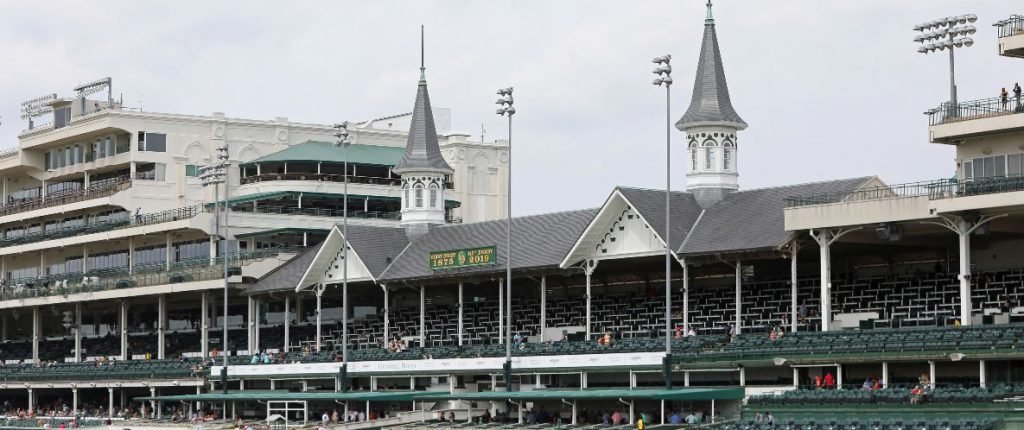
Step into the storied world of thoroughbred racing, where every "Historial de Alineaciones en Derbys (History of Derby Lineups)" tells a tale of ambition, triumph, and heartbreak. While the phrase might evoke images of football formations or basketball starting fives, in the realm of the Derby, a "lineup" refers to the magnificent horses, their skilled jockeys, visionary trainers, and dedicated owners who gather at the starting gate for a shot at glory. It's a roster of dreams, each year presenting a unique confluence of talent, breeding, and raw speed that culminates in one of the most exciting two minutes in sports. Understanding this history isn't just about names and dates; it's about grasping the very essence of competition and the enduring legacy forged with every race.
At a Glance: What You'll Discover
- Defining a Derby Lineup: What constitutes a "lineup" in the world of horse racing, beyond just the horse.
- The Kentucky Derby's Legacy: How the "Run for the Roses" has evolved over more than a century.
- The Power of the Odds: Understanding favorites, longshots, and how the betting line shapes expectations.
- Triple Crown Immortals: The rare few who cemented their place in history through a Derby win.
- Moments of Controversy: When the "lineup" changed after the race was run.
- Filly Power: The exceptional instances of female thoroughbreds challenging the colts.
- Why History Matters: How past lineups provide invaluable context for future races and the sport itself.
The Roster of Immortals: Decoding Derby Lineups
When we talk about a "derby lineup" in horse racing, it's far more intricate than just a list of competitors. It's a snapshot of a particular moment in time, capturing the very essence of the sport's pinnacle events. Think of it as a carefully curated cast of characters, each vying for the spotlight.
At its core, a Derby lineup comprises the horses – typically three-year-old thoroughbreds, each a finely tuned athlete bred for speed and stamina. But the horse is only part of the equation. Intricately linked to each horse is its jockey, the skilled rider who guides the animal, making split-second decisions that can mean the difference between victory and defeat. Then there’s the trainer, the architect behind the horse's conditioning and strategy, and the owner, whose investment and vision bring these magnificent creatures to the track. Finally, elements like post position – where a horse starts in the gate – can play a crucial role in a race's outcome, adding another layer to the "lineup" dynamic.
Unlike team sports where players might swap jerseys or transfer between clubs, a Derby lineup is a singular, unrepeatable event. Once that gate opens, that specific combination of horse, jockey, and circumstances is forever etched into history. This makes the historical study of these lineups particularly compelling, offering insights into patterns, anomalies, and the sheer unpredictability that makes horse racing so thrilling.
Two Minutes to Destiny: A Century and a Half of Kentucky Derby Fields
The Kentucky Derby, often dubbed "The Run for the Roses," stands as a monumental pillar in the world of horse racing. Its lineage stretches back to 1875, making it the longest continuously held sporting event in the United States. Each year, on the first Saturday in May, the eyes of the world turn to Churchill Downs as a new lineup prepares to add its chapter to this rich narrative.
The history of Derby lineups is a testament to the sport's enduring appeal. From the inaugural race, the field has been a kaleidoscope of equine talent. Early Derbys often featured smaller fields, sometimes with fewer than ten horses. As the event's prestige grew, so did the competition to secure a spot. Today, the Derby is limited to 20 starters, a qualification system based on a rigorous points series, ensuring that only the most deserving three-year-olds make it to the gate.
Looking back at the results from the late 19th century through the modern era, the sheer volume of races—over 130 editions by 2008—highlights the consistent spectacle. While specific names of winners, seconds, and thirds often fade into the background for casual observers, the structure of these lineups, the number of horses competing, and the story behind their journey to the Derby remains a fascinating subject for enthusiasts. The evolution from a local event to an international spectacle means that the depth and quality of horses in each lineup have intensified dramatically, reflecting advancements in breeding, training, and competition.
The Weight of Expectation: Favorites, Underdogs, and the Odds
One of the most captivating aspects of any Derby lineup is the betting odds assigned to each horse. These odds aren't just numbers; they represent the collective wisdom (and sometimes folly) of the public, reflecting perceived chances of victory based on past performances, breeding, trainer reputation, and jockey skill. The "Win Odds" column in historical records paints a vivid picture of expectation versus reality.
Consider the enormous range: from the overwhelming favorites, like the 1895 winner at 0.33-1 odds ($2.67 payout on a $2 bet), signifying near certainty in the public's eye, to monumental longshots that defied belief. The 1913 Derby, for instance, saw a winner at a staggering 91.45-1 ($184.90 payout), illustrating the power of a true underdog in a packed lineup. These extremes highlight why the Derby remains so exciting for bettors and fans alike.
A lineup often has one or two clear favorites, horses whose previous performances make them stand out. Yet, the Kentucky Derby is notorious for producing upsets. Horses with mid-range odds, or even those considered longshots, frequently find their way to the winner's circle. This unpredictability is precisely what makes analyzing historical lineups so engaging. Did the favorite falter due to a bad trip, or was the longshot simply overlooked? Each year's odds tell a pre-race story, while the results deliver the often unexpected climax.
Understanding this dynamic between favorites and underdogs is crucial to appreciating the history of Derby lineups. It shows that while pedigree and form matter, the chaotic nature of 20 horses thundering down the track means that on any given day, any horse in the lineup truly has a chance. It’s a powerful reminder that even the most meticulously analyzed "lineups" in sports—be it horse racing or, in a different context, AC Milan vs Inter Milan lineups—are subject to the unpredictable magic of the game.
The Rarefied Air of the Triple Crown: When Derby Wins Led to Immortality
Among the many horses that have graced a Kentucky Derby lineup, a select few have gone on to achieve racing's ultimate honor: the Triple Crown. This feat requires winning the Kentucky Derby, the Preakness Stakes, and the Belmont Stakes in the same year, a testament to unparalleled ability, resilience, and a touch of luck. When a horse in the Derby lineup has a "(T)" next to its name in the historical records, it signifies that it was a Triple Crown winner, entering an almost mythical status.
The list of Triple Crown winners who started their legendary journey in the Derby is short but illustrious, scattered across decades:
- Early Dynasties: Horses from 1919, 1930, 1935, 1937, 1941, 1943, 1946, and 1948 established the early benchmarks for greatness. These were the horses that set the standard for what a champion could achieve, beginning with a triumph at Churchill Downs.
- Modern Legends: The 1970s saw a resurgence of Triple Crown winners with consecutive champions in 1973, 1977, and 1978, captivating a new generation of fans.
- The Drought Breakers: After a long hiatus, new champions emerged in the 21st century, proving that while rare, the Triple Crown dream is still within reach for a truly exceptional Derby entrant.
For these horses, their inclusion in a Derby lineup wasn't just another race; it was the first, pivotal step on a path to immortality. Their victories elevated not just their own names, but the prestige of the Derby itself, cementing its role as the gateway to racing's most exclusive club. Each Triple Crown winner's Derby performance is dissected, analyzed, and celebrated as the initial spark of a historic achievement, showcasing what truly special talent looks like in a Derby lineup.
Beyond the Finish Line: Disqualifications and Controversies
While the roar of the crowd and the flash of the cameras often capture the moment a horse crosses the finish line first, the history of Derby lineups isn't always straightforward. Sometimes, the initial outcome is not the final one, leading to dramatic changes in the historical record. These instances of disqualification add a layer of human and regulatory drama to the otherwise pure competition.
The most notable example from the records provided is the 1968 Kentucky Derby. In this historic race, the horse that initially finished first was subsequently disqualified. The reason? A post-race urine sample revealed traces of a banned drug. This incident serves as a stark reminder that the integrity of the sport is paramount. Although the specific drug in question is now legal for use on racehorses in many states, including Kentucky, at the time, its presence led to a significant change in the official lineup of winners.
Such events underscore that a "lineup" is not just about the horses and jockeys on the track, but also the strict rules and regulations governing the sport. Disqualifications, while rare, are a crucial part of the historical narrative, reminding us that the outcome isn't final until all post-race checks are complete. They add a fascinating, albeit controversial, dimension to the study of Derby results, showing how external factors can reshape the legacy of a particular year's lineup.
The Unsung Heroes: Fillies in a Colt's World
The Kentucky Derby is predominantly a race for colts, male thoroughbreds. However, throughout its long history, a brave few fillies (female horses) have not only entered the Derby lineup but have also left their indelible mark. Their presence, often marked with an "(F)" in historical charts, highlights their exceptional talent and courage.
Running against males in such a prestigious race is a significant challenge, as fillies typically compete in their own races. Yet, history shows that some have been extraordinary enough to contend with the best colts of their generation. The records reveal instances of fillies in the Derby lineup across various decades, for example, in 1906, 1912, 1913, 1914, 1915, 1918, 1921, 1980, 1988, and 2008.
The mere act of a filly entering the Derby lineup speaks volumes about her perceived ability and the confidence of her connections. Their appearances are rare, and their victories even rarer, making them even more celebrated. When a filly performs well, or even wins, it's not just a victory for that horse, but a powerful statement about female strength and speed in a traditionally male-dominated field. These fillies are often remembered as trailblazers, adding a unique and inspiring chapter to the history of Derby lineups.
Crafting a Champion: The Evolving Science of Training and Jockeying
While the horses are undeniably the stars of the Derby lineup, the human element—the trainers and jockeys—cannot be overstated. Their contributions are vital to turning potential into performance, and their evolution has profoundly shaped Derby history.
The Trainer's Vision: A trainer is essentially the head coach of a thoroughbred athlete. Their role involves everything from diet and exercise regimes to understanding each horse's psychology and devising race-day strategy. Over the decades, training methodologies have become increasingly sophisticated, incorporating sports science, veterinary medicine, and advanced nutritional knowledge. Legendary trainers often have multiple Derby winners to their name, a testament to their ability to consistently identify, develop, and prepare top-tier talent for the crucible of the Derby. Their fingerprints are all over the performance of every horse in a given lineup.
The Jockey's Art: In the saddle, the jockey is an athlete in their own right, combining strength, balance, and an innate understanding of horse behavior. Their ability to conserve energy, navigate traffic, and urge a horse to its maximum effort in the crucial final strides can make or break a race. Iconic jockeys are often associated with multiple Derby victories, their names becoming synonymous with the race's most thrilling finishes. Their decision-making under immense pressure directly impacts the fate of every horse in the lineup, making them as much a part of the "lineup history" as the horses themselves.
The partnership between horse, trainer, and jockey is a delicate balance, honed through countless hours of work. Examining the historical performances of these human players offers another lens through which to appreciate the intricacies and evolving professionalism of the Derby lineup.
Why Lineup History Matters: Lessons from the Track
Delving into the "Historial de Alineaciones en Derbys" offers far more than just a nostalgic trip down memory lane. It provides a rich tapestry of data and narratives that hold significant value for a variety of audiences, from casual fans to serious handicappers and industry professionals.
For fans, understanding the history of lineups deepens their appreciation for the sport. It contextualizes current races, allowing them to grasp the magnitude of a potential Triple Crown contender, the rarity of a filly's strong showing, or the historical likelihood of an upset. It connects them to the legends of the past, making each new Derby not just a standalone event but another chapter in an ongoing saga.
For bettors and handicappers, historical lineups are an invaluable resource. They reveal trends in odds, the performance of favorites versus longshots, and the impact of factors like post position or track conditions over time. While every race is unique, past data offers insights into patterns of success and failure, informing future wagers. Analyzing how different trainers and jockeys have performed with various types of horses in Derby lineups can provide a critical edge.
For the thoroughbred industry—breeders, owners, and trainers—this history is a living textbook. It illuminates successful breeding lines, effective training strategies, and the characteristics of horses that thrive under the intense pressure of the Derby. The lineage of Derby winners and participants shapes future breeding decisions, influencing the very genetics of the sport's future stars.
Ultimately, the history of Derby lineups is a testament to the enduring appeal of competition and the pursuit of excellence. It's a dynamic record of animal athleticism, human skill, and the often-unpredictable forces that converge on one magical Saturday in May. Each year, a new lineup takes its place, ready to write its own history, forever adding to this captivating legacy. The lessons learned from analyzing these past lineups are timeless, offering context, inspiration, and a deeper understanding of one of the world's most cherished sporting traditions.